
How does our bladder work?
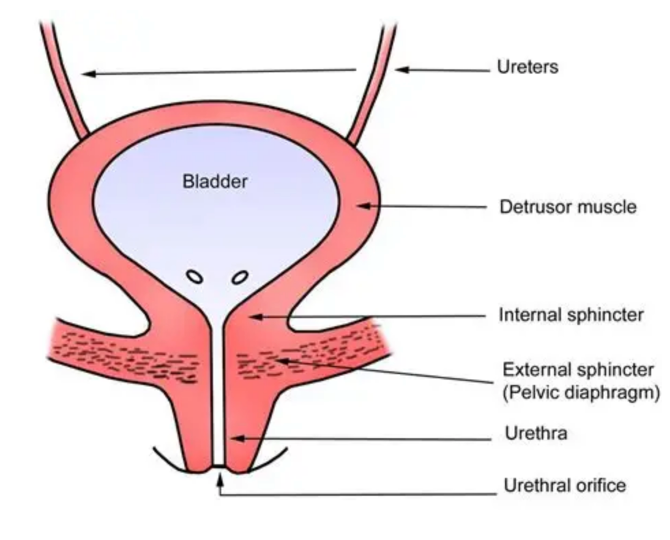
We store urine in our bladder which is surrounded by the detrusor muscle
The detrusor muscle cannot contract/relax on command
When our bladder stretches to a certain point, signals get sent to our brain to empty our bladder, our fight or flight nervous system has to back off so that our rest and digest nervous system can take over and allow urethra to relax and let urine out
How do we hold our urine when we really have to go?
The process of urinating is a combination of signals from bladder and information from higher brain centers
Higher brain centers are able to delay going to the bathroom
If we are driving in the car, we are often able to hold our pee, however sometimes the signals are so strong it can override our higher brain centers and we can have an accident
How do our bowel works?
Our bowel has our own nervous system but also works with our fight and flight nervous system and rest and digest nervous system
When we are in fight and flight, we don’t have to go to the bathroom
When we are in rest and digest, we are able to move our bowels
Neurology disorders that can affect bowel and bladder regulation.In many neuro disorders, the fight and flight nervous systemand the higher brain centers are affected causing a hard time controlling one’s bladder
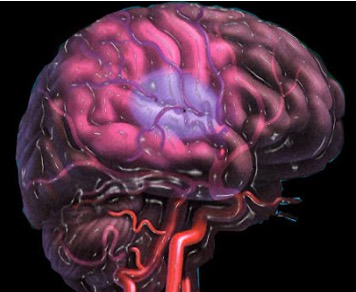
Stroke
Bladder
Stress and urge incontinence are most common post stroke
-
stress incontinence: leakage of urine during physical activity such as sneezing, laughing, exercising
- Will occur if pelvic floor is weak
- urge incontinence: sudden strong urge to pee
- Detrusor muscle is often over-active
-
- Treatment should start after 6 months post stroke
Bowel
- Constipation is common, fecal incontinence is rare
Parkinsons
Bladder
Urinary dysfunction is often a first symptom of Parkinson’s Disease
- We should address poor mobility prior to any bladder issues to make it to bathroom in time
Bowel
- Often have constipation due to slow stomach emptying and weak abdominal muscles
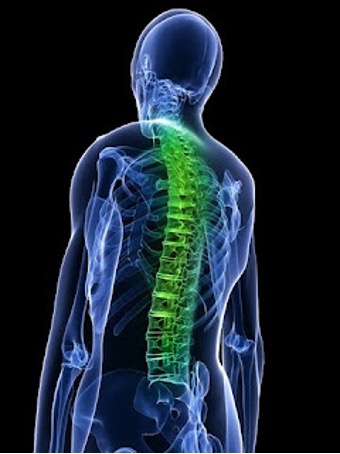
Spinal Cord Injury
After injury, these bladder and bowel issues are often permanent
Bladder
More common to have overactive bladder than underactive bladder
Bowel
- Often lose control of defecation
- Constipation common

Multiple Sclerosis
Bladder
Often have urgency and frequency
Bowel
- Constipation is common but incontinence can also occur
How Physical Therapy Can Help?
Physical Therapy Treatment:
Education on:
- Dietary modifications
- Proper use of incontinence products
- Toilet positioning to help with emptying bowel/bladder
- How to adjust your bowel/bladder habits and manage urge
Muscular strengthening, Breathing techniques, Manual therapy
- Neurologic re-education
- Assistive device use/positioning or wheelchair propulsion
- Proper transfer technique
- May also assist you in adapting your home set up or getting you equipment to help compensate for your symptoms
- Catheter management strategies


Author:
Morgan Herman PT, DPT, NCS
References:
Siracusa, C (n.d.). Pelvic Floor Treatment of Patients with Neurological Disorders [Online learning, Medbridge]. Medbridge. https://www.medbridge.com/courses/details/pelvic-floor-treatment-of-patients-with-neurologic-disorders-carina-siracusa